

Smart Home Technology
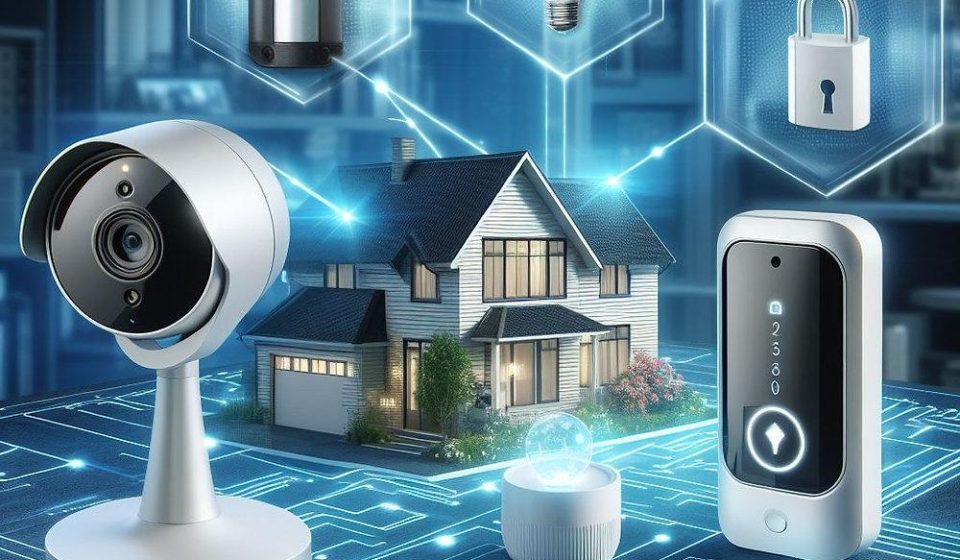
Smart home technology is changing how we live our lives by making everyday tasks easier, safer and more convenient. Modern smart homes utilise interconnected devices such as security cameras, smart lights, digital door locks, sensors and apps to make home systems more controllable. Using the internet along with automation, homeowners can control devices from remote locations to create a more comfortable home.
Smart home technology is becoming popular due to its convenient, secure and energy-efficient features. Whether you wish to control your home lighting, keep an eye on your property or enhance your home security, smart home devices help to create practical solutions.
Smart Home Technology What is Smart Home Technology?
This is a range of internet-enabled devices that allow homeowners to control and automate features within their homes. The devices are interconnected via wireless networks and can often be controlled via a smartphone, tablet or voice assistant.
Homeowners can turn lights on/off, control the temperature in each room, view security cameras and lock doors via remote. Many devices can be set up so they operate on a schedule.
The primary aim of smart home technology is to create a more intelligent, efficient and convenient home.
Smart Home Technology Key Features of Smart Home Technology
Modern smart homes come with many useful features. Below are some of the key technologies:
Smart Home Technology Smart Security Cameras
Smart security cameras help homeowners to keep an eye on their property. They can record video clips, detect movement and alert you instantly.Many models come with night vision, two-way communication and cloud storage, meaning you can view your home whilst you’re away.
Smart Lighting
Smart lighting lets homeowners control their home lighting using a mobile app or voice commands. You can change the brightness, set lighting schedules and turn lights on/off.
Automation can also help to save electricity. Some systems come with motion sensors, meaning lights will turn on when someone enters the room.
Smart Door Locks
Smart door locks are a modern way to open doors. Depending on the model you can use your phone app, PIN code, fingerprint or digital system to unlock your door.
They can also alert you when someone has entered or exited your home. This creates a more convenient and secure system for families.
Smart Sensors
Smart sensors play an important role in your home automation. Motion sensors, temperature sensors, smoke detectors and water leak detectors can all help to keep track of conditions in your home.
Water leak detectors will alert you if there is any unwanted moisture. Smoke detectors can also let you know if there are any fire hazards.
Benefits of Smart Home Technology
There are many benefits to using smart home technology.
Increased Home Security
One of the biggest reasons people invest in smart home devices is for increased security. Interconnected cameras, smart locks, motion detectors and alarm systems can all help to keep track of your property.
If there is any suspicious activity, you’ll be alerted via your phone.
More Convenient
Smart devices can help to make managing your home easier. Rather than having to control individual devices, you can control multiple systems via one app.For example, smart home systems can turn off any unnecessary lights, control the thermostat and activate security features.
Energy Efficient
Smart home technology can help to increase energy efficiency. Smart thermostats and smart lighting can help to save energy.
Lights can be turned off automatically if no one is in the room. Smart thermostats can also control temperatures based on your schedule throughout the day. This helps households save on electricity.
Increased Remote Access
One of the best benefits of smart home technology is increased remote access. You can view security cameras, control your lighting and manage any compatible devices from almost anywhere with an internet connection.
This can be particularly useful for those who often travel or are often out of the house.
How Smart Home Technology Works
Smart home devices generally operate using Wi-Fi, Bluetooth, Zigbee or other wireless technology. This lets the devices communicate and receive commands.
A smart home hub or compatible systems can be used to control and manage different devices. These can then be controlled using smartphone apps or voice assistants.
For example, you can programme your smart home to turn on your lights when your front door opens. Smart sensors can also be used to alert you when there is any movement or unusual conditions.
Some systems are advanced and use AI to detect patterns.
Disadvantages of Smart Home Technology
Whilst there are many great benefits to having a smart home, there are also some disadvantages.
Expensive to Set Up
Smart home devices can be expensive to set up initially. You may have to pay more for security cameras, smart locks, sensors and automation hubs.
However, you could start by investing in a few key devices.
Dependent on Internet
Many smart home products rely on having a reliable internet connection. If you lose your connection some features won’t work.
Choose reliable devices with useful offline features.
Privacy and Security
As devices are interconnected, they will collect and share data. This can cause some privacy issues. Having weak passwords, out-of-date software and unsecure networks can cause increased cyber security issues.
The Future of Smart Home Technology
The future looks bright with smart home technology continuing to develop. AI, automation and interconnected devices are all improving.
In the future, smart homes may become more intelligent. They may learn your home routine and automatically change settings. AI security systems may be able to detect activity more efficiently. Energy management systems may become more advanced to help save on electricity.
Devices will become more compatible, meaning products from different manufacturers will work well together.
Overall, smart homes are likely to become more affordable and useful for everyday households.
Conclusion
This is transforming how we live today. Combining security, convenience, automation and energy efficiency, smart devices can help create practical solutions for your home. Smart security cameras, digital door locks, automation and smart sensors can all help.
Despite the initial cost to set up, privacy and dependence on internet, there are many benefits to using a smart home system.
By choosing reliable devices and keeping your security in mind, you can create a smart home that will make everyday life safer, easier and more efficient.