

Tesla Optimus: The Future of Humanoid Robotics
Tesla Optimus is a humanoid robot project from Tesla, designed to do repetitive, physically taxing and potentially hazardous work. The plan is to use AI, cameras, sensors and robotics to enable Optimus to perceive its environment and perform useful tasks. As robotics technology progresses, Optimus is a significant step towards the eventual integration of intelligent robots into factories, workplaces and indeed the home
What Is Tesla Optimus?
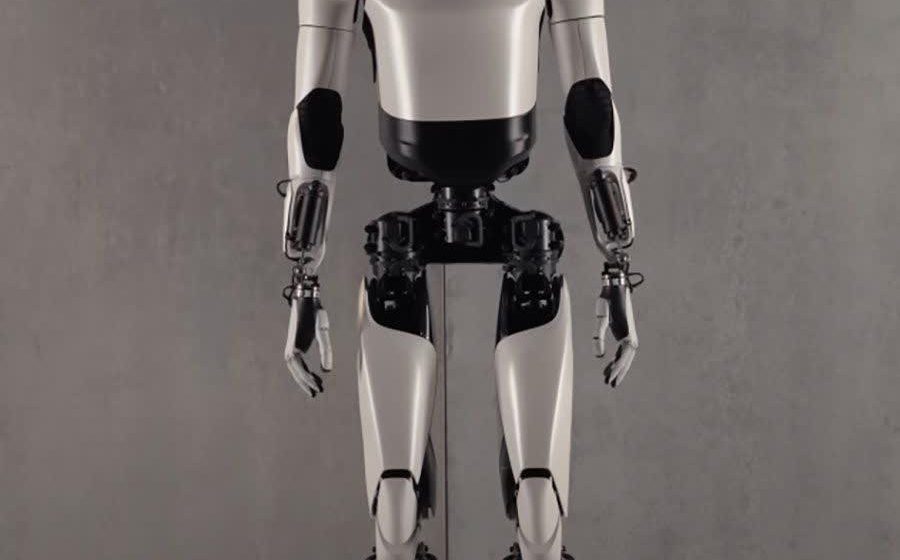
Tesla Optimus is a human-shaped robot intended to carry out the sorts of tasks that people do in their day-to-day environments. Rather than requiring a completely different workplace you could potentially have a humanoid robot operating in the same spaces, using the same tools and equipment as a human. Tesla have shown Optimus prototypes doing things like picking up objects and carrying out a number of selected tasks. The robot’s ability to do anything really though is going to be dependent on its hardware, its software, how it’s trained and the environment in which it’s operating. Its ability to do complex tasks on its own is still very much an area of development.
The Main Purpose of Tesla Optimus
The primary objective of Tesla Optimus is to automate the most repetitive and labour-intensive tasks. A robot could be used to move materials, sort things, transport supplies and do all the other sorts of mundane factory work. By automating the right tasks businesses can increase productivity and reduce the amount of time their workforce is exposed to certain workplace hazards. Nevertheless, practical results will depend on reliability, safety, operating costs, and the robot’s actual performance
Features and Specs of the Tesla Optimus
The Tesla Optimus uses robotics and artificial intelligence to create a robot that can move, interact with objects, understand its surrounding and perform tasks.
Humanoid Body
The Tesla Optimus has a humanlike body. It has arms, hands, legs and a head. This makes it able to be developed to perform tasks involving walking, reaching, lifting and interacting with objects. The humanoid body may give it a chance to work in human environments. However, how quickly it can move, how much it can lift, battery life and other specs can differ between the prototype and final product.
AI and Computer Vision
AI is used heavily in the Tesla Optimus. Cameras and computer vision will allow it to identify objects, understand its surrounding and process what it can see. Software using artificial intelligence can help process tasks and control movement. Although a robot may be able to identify an object, this doesn’t mean they can interact with it safely. The robot must be trained, tested and controlled correctly to ensure it works reliably.
Robotic Hands and Manipulation
Tesla Optimus has been designed with manipulative hands, allowing it to pick up items, move materials and complete certain assembly tasks. Creating robotic hands capable of manipulating different items has proven to be quite challenging, however improved dexterity can allow humanoid robots to complete more useful tasks.
Possible Uses of Tesla Optimus
As the technology develops, Tesla Optimus can be used within different industries. The uses of this robot will depend on what capabilities are developed in future models.
Manufacturing
Tesla Optimus could be used within manufacturing facilities. The robots could be used to help reduce the number of repetitive tasks done, help with material manipulation, sorting and moving components around. This can help manufacturers to improve consistency and productivity by automating suitable tasks. However human oversight may still be required to complete more complicated tasks.
Home Assistant
In the future, humanoid robots could be used to help with certain tasks around the home. Such as organising objects, carrying light items and completing basic tasks. However, for a reliable robot to be used around the home it needs to understand the dynamic nature of the environment and avoid people, animals, furniture and breakable items. Until Tesla Optimus can show it can do this consistently it shouldn’t be considered a full home assistant.
Dangerous & Repetitive Tasks
This could be used in areas like repetitive motions and dangerous environments. This could allow businesses to assign robots the right task to decrease some risk to humans.
However, care will have to be taken as it needs to be properly tested and maintained. It won’t completely remove all risk in the workplace.
Advantages of Tesla Optimus
This could lead to increase automation. Robots can be programmed to perform a specific task over and over again, which could free up employees to perform more judgement, creative and personal tasks. It could provide flexibility. As it is a humanoid robot it could be changed to perform various tasks. Robotics advancements could lead to innovations within AI, manufacturing and machine learning however whether there is a financial benefit would depend on how much it costs to buy/operate, how much maintenance is required and how much productivity can be measured.
Disadvantages of Tesla Optimus
There are several problems with This is. In real world scenarios there are a lot of variables. The robot will need to be trained to react to unknown objects safely. Battery life, hardware quality, software quality, manufacturing costs and maintenance will all be factors to consider. Plus safety for staff, privacy issues and whether automation will affect employment. As a result Tesla Optimus will only become widely adopted if engineering continues to improve and it works well in real world scenarios.
Future of Tesla Optimus
If Tesla can create reliable, cost effective and useful humanoid robots then Tesla Optimus could play a key role in the future of robotics. As AI, computer vision, robotics motion and object manipulation continue to develop the capabilities could grow. However it may not become widely adopted. Businesses and customers will want to see that it can do useful tasks safely and cost effectively.
Conclusion
This is an ambitious attempt to bring humanoid robots into real world situations. With the use of AI, computer vision and human like motions it could help automate factories and other repetitive tasks.
Overall whilst there are major technical and financial issues to overcome, Tesla Optimus is an interesting example of how robotics could change the way we work. Whether it is successful in the long run will depend on how well it works in real world situations, is safe, cost-effective and can complete tasks reliably.