



Cybersecurity in 2026 Cybersecurity Introduction
Cybersecurity Due to the increasing use of digital services in 2026 (online banking, online shopping, cloud computing, AI), it is very important to secure personal information.
As people with internet connections are at risk of cyberattacks, including phishing, ransomware, malware, identity theft and data breaches, there are many different cybersecurity technologies available to protect devices, networks and information.
Cybersecurity in 2026 Below are the top 10 cybersecurity technologies in 2026.
1.Cybersecurity in 2026 Antivirus
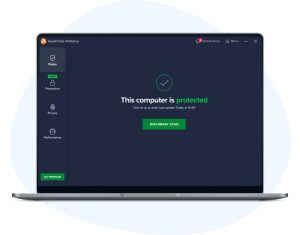
Antivirus software protecting a computer from malware in 2026
Antivirus software can be used on devices (Computers/Smartphones) to detect, prevent and remove malicious software from devices in order to protect personal information.
Modern antivirus software uses behavior analysis and machine learning to detect suspicious activities.
Advantages:
Detect/remove malware
Prevents viruses
Real-time protection
File/Download scanning
Protection against many common cyber threats
Popular: Microsoft Defender, Bitdefender, Norton, ESET
2.Cybersecurity in 2026 Firewalls

Firewall protection monitoring network traffic and blocking unauthorized access
These systems help protect networks from unauthorized connections. They also ensure that authorisations are given according to security rules.
Firewalls are common in home/business networks, server systems and enterprise networks.
Advantages:
Blocks unauthorised connections.
Detects suspicious connections.
Protects private networks.
Controls network traffic.
Reduces risk of attack.
Popular: Windows Defender Firewall, Cisco Secure Firewall, Fortinet FortiGate.
3.Cybersecurity in 2026 Virtual Private Network (VPN)
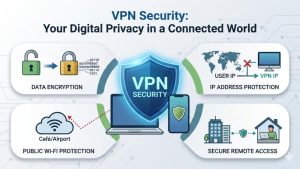
VPN technology creating an encrypted internet connection
VPNs allow encrypted connections between devices and server systems. This means that data sent through the internet is secured. This can be particularly useful when connected through public Wi-Fi networks.
VPNs can allow secure access to private business networks from remote locations.
4.Cybersecurity in 2026 Password Manager

Password manager storing secure passwords in an encrypted digital vault
Password managers allow users to create, store and manage strong passwords. Users do not have to remember many passwords as they can be stored in one encrypted password manager.
Many password managers allow users to create passwords and receive alerts.
Advantages:
Secure storage for passwords.
Creation of strong passwords.
No duplicate passwords.
Easier to manage multiple accounts.
Secure sharing of passwords.
Popular: Bitwarden, 1Password, Dashlane.
5.Cybersecurity in 2026 Multi-Factor Authentication (MFA)

Multi factor authentication protecting online accounts with additional verification
6.Cybersecurity in 2026 AI Detection
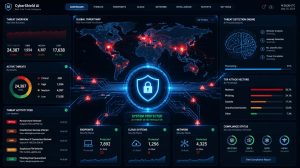
I powered threat detection analyzing suspicious cybersecurity activities
AI is becoming increasingly important within cybersecurity. With AI in security systems, large amounts of data can be processed to detect suspicious and potentially harmful activities.
This allows security teams to quickly identify suspicious logins, malicious activities and new threats within systems.
Advantages:
Detects suspicious activities.
Detects any new potential threats.
Automates security checks.
Processes large amounts of security data.
Allows investigations of incidents.
7.Cybersecurity in 2026 Endpoint Security

Endpoint security protecting computers smartphones and connected devices
Endpoint security includes devices within networks (computers, laptops, smart devices and servers).
By using EDR systems, suspicious activities in devices can be continually monitored. This allows security teams to investigate suspicious activities.
Advantages:
Protection of computers/mobile devices.
Detection of suspicious activity.
Investigating cyber incidents.
Contain threats.
Gain more awareness of devices within the network.
Popular: Microsoft Defender for Endpoint, CrowdStrike Falcon, SentinelOne.
8.Cybersecurity in 2026 Cloud Security

Cloud security protecting online data and cloud computing infrastructure
Cloud security refers to securing information, applications and infrastructure in the cloud.
As businesses are using more cloud systems, it is important to secure information and control user access within the clouds.
Advantages:
Secure information within cloud.
Give control over user permissions.
Data can be encrypted.
Monitor risk in cloud.
Prevent unauthorised access.
Popular: Amazon Web Services (AWS), Microsoft Azure, Google Cloud.
9.Cybersecurity in 2026 Zero Trust

Zero Trust security verifying users and devices before granting network access
Zero Trust means that users/devices should not be automatically trusted. If a user/device tries to gain access to something, they must be verified based on who they are, what device they are using, and security policies.
Zero Trust can be very useful in businesses with remote workers and systems in the cloud.
Advantages:
Verification of users/devices.
Limits unnecessary permissions.
Minimum access principle.
Limits unauthorised movement.
Gives more awareness of access.
Common types: AES, TLS.
Cybersecurity in 2026 Importance of Cybersecurity
In 2026, as individuals and businesses face an increased risk of cyber threats in 2026 (online banking, digital payments, cloud storage, remote working, AI applications), it is very important to keep sensitive data secure.
Using multiple cybersecurity methods gives better protection than one.
Individuals should be using strong passwords, MFA, security updates, and avoiding suspicious links. Businesses should perform regular backups, give employees cybersecurity training, give appropriate user permissions, and constantly check for any security issues.
Future of Cybersecurity
AI will improve further. Threats will be automatically detected. Identity verification will become much more secure. Security of the cloud will improve, and Zero Trust systems will become common.
To detect threats, secure assets and respond to cybersecurity issues, organisations will combine many security technologies.
As technology is rapidly developing, cybersecurity will become very important.
Conclusion
It is important to apply cybersecurity techniques in 2026 to protect personal data, and business devices/networks. Many different cybersecurity methods can be useful, including antivirus, firewalls, virtual private networks, Multi-Factor Authentication, AI detection of threats, and data encryption.
By applying the correct cybersecurity techniques. Practising safe methods within the digital world, individuals and organisations can reduce risks relating to cyber security and create a safer digital environment.